

For twenty years, Digital PR has been sold on a fairly simple promise: coverage builds links, links build authority, and authority builds rankings. That story still holds up, but something has shifted underneath it, and it’s changing what “good PR” actually needs to deliver.
Here’s the thing people miss. ChatGPT, Gemini, Perplexity, Google’s AI Overviews – they don’t just crawl your website and read your meta tags. They form an opinion of your brand long before anyone types a prompt. That opinion comes from what other people have written about you, on sites you don’t own. And that opinion is what decides whether you get cited in an AI answer. So your website isn’t the biggest lever here: your PR is.
We ran our Hallam x Google AI Summit last week, and shared the headline findings on how AI search is reshaping brand and performance strategy. This piece goes deeper on one part of that story specifically: why Digital PR sits right at the centre of AI citation, what the research is telling us, and how we’re doing it at Hallam.
PR was always about influence you can’t buy. Now it’s training the models too.
Digital PR works like an industry award, so it’s external validation you have to earn – you can’t just buy it. How you show up on the press, on industry blogs, across the wider web, shapes exactly how people talk about you. And these are the signals that LLM’s pick up.
Hallam’s Digital PR lead, Sarah Fleming, puts it simply,
“Coverage directly impacts how a brand is spoken about externally, and that credibility and authenticity is precisely what makes it so valuable to a model trying to decide who to trust. AI is personalised in a way traditional search rankings never were, so the more relevant your PR coverage is to the products and services you want to be known for, the more useful it becomes as a training signal.”
This is genuinely good news if you’re a challenger brand. Big companies throw money at PR, but AI visibility is still wide open – nobody’s solved it. Smaller brands can compete here, because one well-placed piece in a niche trade pub or an independent blog still carries real weight with a model.
The research backing this up
The market is already moving. Google search interest in “Digital PR” is up 173% year-on-year. That’s not a coincidence. Brands and marketers are waking up to the connection between earned coverage and AI visibility at the same time.
Ahrefs found that brand web mentions correlate more strongly with AI Overview visibility than any other signal they tested. SEO researcher Suganthan Mohanadasan found that brands ChatGPT actively searches for are 33 times more likely to show up in its answers. So the goal isn’t just being searchable. It’s already being known.
Rand Fishkin said it best: “We need to influence the model before it performs the search.” By the time someone asks the question, it’s often too late to shape the answer. PR is one of the few channels that builds that reputation beforehand, because it lives in the places models train on long before anyone types anything.
Where most brands go wrong and where Hallam excelled
There’s a classic trap in B2B and product-led PR: you want journalists to write about your product or service, but no journalist is going to run a story that reads like an ad. Not unless you’re paying.
The fix isn’t to push harder on the product. It’s to reframe the story around the problem the product solves.
Solar panels as an example. No journalist wants to hear “buy our solar panels.” But rising energy costs and the wider urgency of the climate crisis creates a conversation and a story. Translate the product into the industry-wide problem it addresses, and suddenly you have something a journalist is actively looking for.
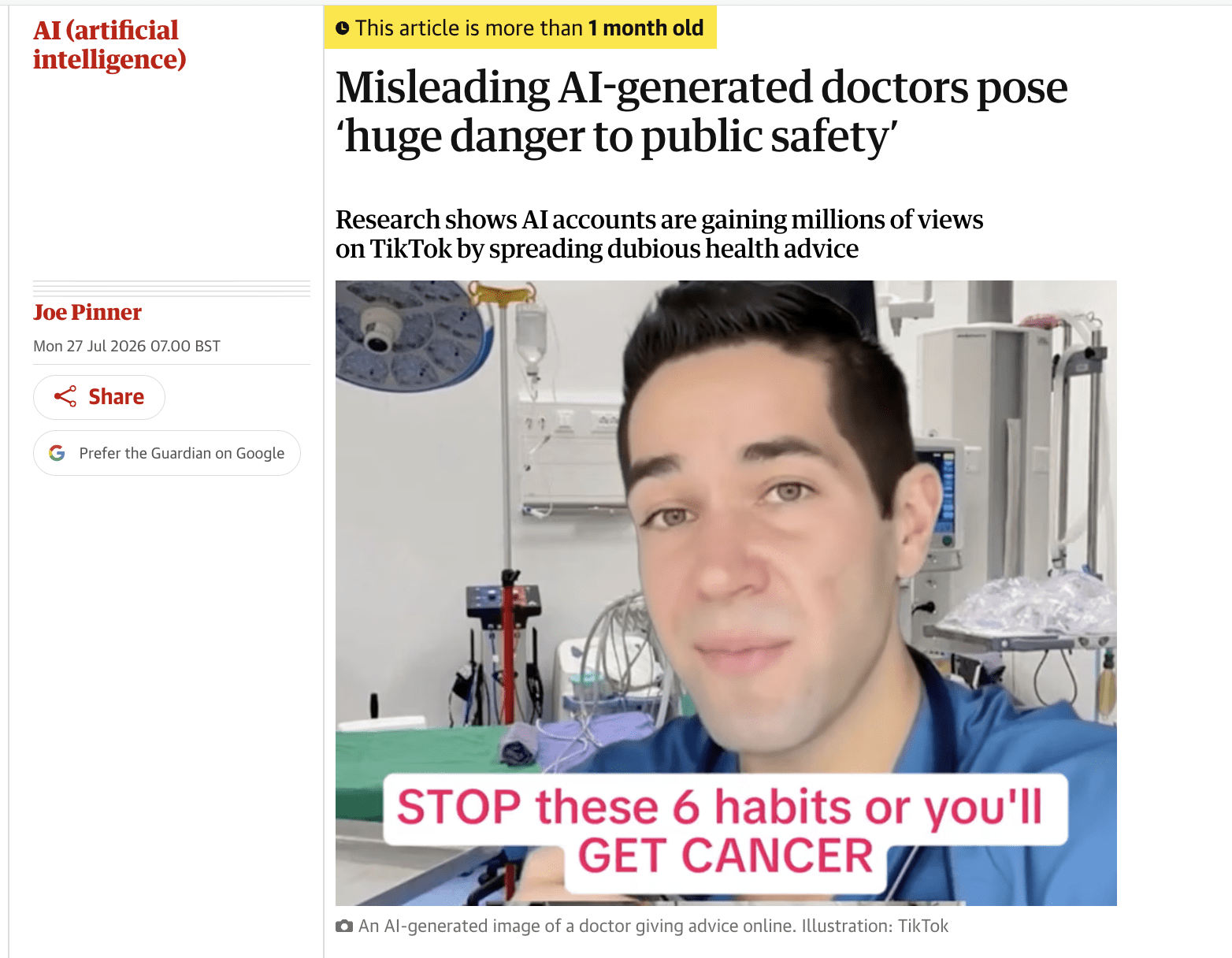
This is exactly the thinking behind some of our most successful campaigns. When we built a fast-moving story around the state of AI-generated content on the internet – tied indirectly to a trending news cycle around TikTok and platform regulation – journalists were desperate to pick it up, because it spoke to something they already cared about: quality and trust online. It positioned Hallam as an authority on the state of social media and the internet more broadly, not just as an agency with an opinion. The angles that consistently perform best in Digital PR sit in a small number of high-interest categories: health, finance, and anything with a “warning” framing tends to travel fastest and furthest. We earned over 45 pieces of coverage for the piece, including publications with the credibility, like The Guardian.
Real voices win
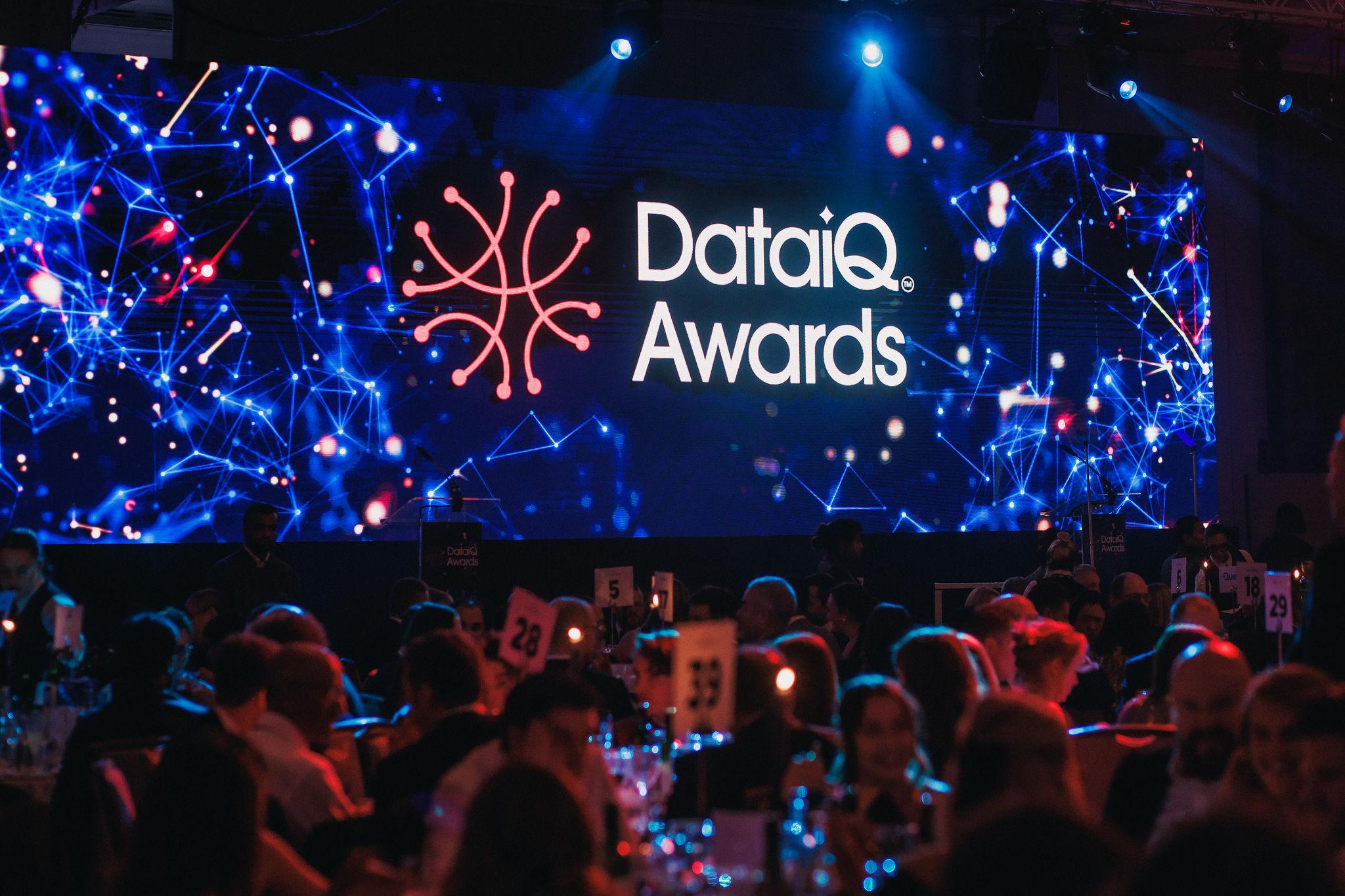
Our strongest results all come from putting real, credible human voices in front of journalists. On client work for Protrade, Cabin Master and DataIQ, we’ve used genuine spokespeople and even third-party endorsement (DataIQ’s coverage, for example, leaned on award-winner commentary from brands like Coca-Cola to have external experts speak credibly about the client).
Journalists are increasingly wary of “fake experts,” which means there’s a real opportunity for brands willing to put forward authentic, well-prepared voices instead of generic press-office quotes.
Preparation matters more than most brands realise. A spokesperson needs four things to land consistently: a real reason they’re credible, proof they’re a real person, a visible body of published commentary, and ongoing media training. Miss one and the coverage (and the citation value) weakens.
How we measure whether it’s working
This is the part most PR teams still get wrong.They treat coverage as the finish line rather than the input to a measurable outcome. There’s no perfect way to measure AI visibility, as nobody can tell you where you stand at any given moment. But you can triangulate.
At Hallam we measure “Share of LLM”, essentially plugging into different AI models and seeing how a brand shows up across topics, benchmarked against competitors. Traditional share-of-voice tools like Cision still matter, tracking mentions across media and social. And there’s a manual check every team should be doing regardless of budget: Google your own spokespeople and your brand in AI Mode, and see what comes up. There’s no substitute for actually reading what the models say about you.
The real test is longitudinal. Run a Share of LLM measurement and then execute a focused PR push. Check again three months later. Look for uplift in mentions and citation share on the topics you targeted. We see this pattern over and over: coverage goes up, topic visibility follows within a few months, and conversational analytics help tie it back to commercial outcomes.
The takeaway
Digital PR isn’t a nice-to-have alongside SEO and content anymore. Instead it’s arguably the most powerful lever available for shaping how AI models talk about your brand, because it operates in exactly the places those models are trained on and can’t be bought outright. The brands that treat PR as a measurable, AI-aware discipline, grounded in real stories, real voices and real measurement, are the ones building the kind of distributed authority that gets a brand cited, not just mentioned.
If you want to know where your brand currently stands in AI answers, or how a Digital PR programme could shift that, then get in touch with us.