

For so many years, brands have built their entire search strategy around a single platform: Google. While Google remains a vital part of the search ecosystem, consumer behaviour has shifted so dramatically that relying on one channel now poses a strategic risk. Search is no longer confined to one place or one format; the modern customer journey moves fluidly across Google, Microsoft Search, YouTube, TikTok, Amazon, Reddit, LinkedIn and emerging AI-driven search interfaces like ChatGPT.
At Hallam, we see this daily: clients who expand beyond Google and operate with a genuinely integrated search approach consistently achieve stronger performance, greater efficiency and far more robust audience insights. Conversely, businesses that treat SEO, PPC and social search as siloed disciplines often end up with fragmented customer journeys, duplicated efforts and potentially some great missed opportunities.
In this article, we explore why integrated search strategies outperform siloed approaches, why you must rethink “search” as a multi-platform, multi-format ecosystem, and what modern marketers should understand about this rapidly evolving search landscape.
Why channel silos are holding you back
What do you mean by “siloed search”?
A siloed search structure typically looks like this:
- SEO operates independently, focused solely on Google rankings.
- Paid search runs separately, rarely sharing insights with SEO.
- Social search (YouTube, TikTok, Pinterest, Amazon, Reddit Ads) sits with yet another team (if it’s considered at all).
- Budgets are allocated channel-by-channel rather than outcome-by-outcome.
- Each team reports success metrics only within its own environment.
This is the comfortable way to do things – but it’s no longer fit for purpose.
The cost of siloed search
- Fragmented data and duplicated efforts
When each channel optimises in isolation, no single team sees the full customer journey. Different teams end up targeting the same keywords, using competing messaging or bidding against each other (which just inflates costs!). - Limited visibility of emerging behaviours
You can’t understand shifting search preferences if you only track one platform. Consumers are now starting to prefer social networks over search engines for brand research. - Under-used opportunities in alternative search ecosystems
Did you know, Microsoft’s ad business grew 21% year-on-year in Q2 2025 – that’s double Google’s 10.4% growth. Microsoft Advertising themselves report that users who saw a brand’s ad on both Search + Audience Network were more likely to visit the website and more likely to convert compared to search only. - Poor attribution and misaligned budgets
If budgets are based on last-click performance in isolated channels, brands undervalue early-stage discovery platforms such as TikTok, YouTube or Microsoft Audience Network, and over-value late-stage intent keywords that may not expand your reach over time. - Difficulty adapting to change
Silos will slow down innovation. When new formats or search behaviours emerge (for example AI-powered search assistants or platform-specific search like Amazon), siloed teams cannot pivot quickly enough.
Siloed search teams may perform well in their own lanes, but they rarely perform well as a business-generating ecosystem.
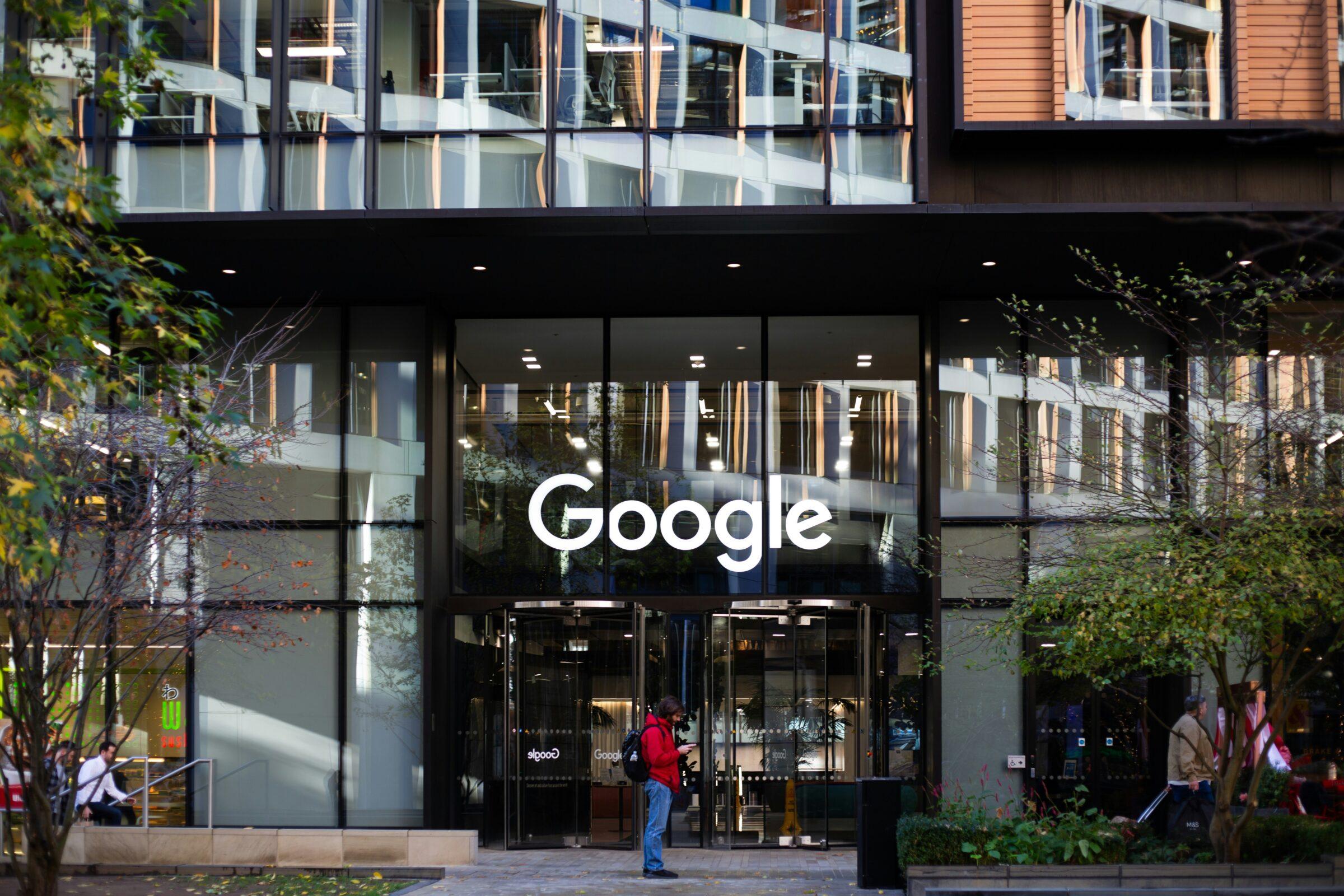
Looking beyond Google
Traditional PPC marketers often say: “Our audience is on Google, that’s enough.” but this assumption is increasingly flawed.
Microsoft Search is essential for B2B
For B2B brands, Microsoft’s ecosystem is particularly valuable:
- It captures professionals using Windows, Edge and Office products.
- Microsoft Advertising reports that combining Search + Audience Network results in users visiting 2.6 times more pages and converting 6.6 times more than search alone
- CPCs are often lower than Google due to less competition.
- LinkedIn-powered audience targeting (job role, industry, company size) provides segmentation Google cannot replicate natively.
So if you’re B2B and not running a Microsoft search strategy, you’re almost certainly leaving some qualified reach and efficiency on the table.
Social search is critical for ecommerce and younger demographics
TikTok now functions as a primary search engine for many under-34s.
- A study found 48% of 16 to 34 year-olds prefer social networks over search engines for brand research.
- According to TikTok’s own research, after viewing a Dynamic Showcase Ad, 74% of weekly Gen Z TikTok users would seek more information on the product.
- UK social media statistics show 77% of Gen Z use TikTok for product discovery and 63% for news.
YouTube is equally crucial. It’s not simply a video-hosting platform; it is the second-largest search engine in the world and a critical mid-funnel research channel for e-commerce, travel, automotive and consumer goods.
When brands ignore TikTok and YouTube, they ignore the discovery phase of the modern buying journey.
AI-assisted search is reshaping discovery
Research shows that search behaviour is shifting significantly. This means brands with siloed channel thinking will struggle even more, especially as AI-search pulls from multiple sources at once and rewards brands with consistent, multi-platform presence.
Key takeaway:
Search behaviour no longer begins – or ends – with Google. Brands must meet users where they are, and not where they used to be.

The strategic advantages of true integrated search
Capturing the entire demand spectrum
We know that search intent isn’t linear. People bounce between platforms as they move from curiosity to comparison to conversion.
For example:
- TikTok: discovers the trend
- YouTube: watches reviews or demos
- Google/Bing: searches pricing, good alternatives, buying options
- Amazon or retailer search: completes the purchase
A siloed search strategy only captures one moment. An integrated strategy should strive to capture all or most of them – in one way or another.
Insights compound across platforms
One of the most overlooked benefits of integrated search is insight portability.
- High-engagement TikTok search terms can highlight new product language to use in Google or Bing campaigns.
- YouTube search queries reveal mid-funnel research topics that should be turned into SEO content.
- Microsoft’s professional demographic data can identify B2B personas your Google Search data cannot.
When these insights are shared, performance starts to accelerate across all channels.
Improved creative relevance and message consistency
Integrated search also forces a cohesive messaging plan across platforms – this is essential for brand trust and conversion. Each platform has a unique creative requirement (vertical video on TikTok, scripted reviews on YouTube, text-driven ads on Google/Bing), but the underlying message should remain aligned. This avoids fragmented brand identity and builds much needed recognition throughout the journey.
Budgets work harder
If you allocate budgets channel-by-channel, you will always overspend somewhere and under-invest somewhere else.
Integrated search reframes budget around:
- Customer journey stages
- Incremental value
- Assisted conversions
- Audience overlap
- Platform strengths
This prevents “hero channels” from absorbing too much spend, hiding true performance indicators and it ensures investment supports the entire funnel – not just the final click!
Future-proofing your search strategy
The most important reason integrated search wins: Search is evolving faster than any other marketing discipline, with:
- AI-driven search experiences
- Vertical-specific search engines (Amazon, TikTok, Reddit)
- Video-first discovery
- Increasing platform fragmentation
- Less third-party data
A siloed structure cannot adapt to this pace of change. Integrated search gives you the strategic flexibility to expand into new platforms without rebuilding your entire approach.
Key takeaway:
Integrated search isn’t about doing more. It’s about doing everything with purpose, cohesion and shared intelligence.
Misconceptions that keep teams stuck in silos
“We don’t have the budget for more channels.”
This is often untrue. Brands typically overspend on Google due to familiarity, not performance. Smaller shifts into Microsoft, YouTube or TikTok can drive incremental value without increasing the total spend too drastically.
“Our audience doesn’t use other platforms.”
This is a dangerous assumption, and usually disproven when cross-channel testing begins.
Lack of shared reporting
If each channel has its own KPI set, you will not get integration. Unified KPIs are non-negotiable.
Creative not optimised for platform behaviour
Copy-pasting assets across channels will kill performance. An integrated strategy respects platform norms while keeping the message consistent and aligned.
No central search ownership
Integration fails when no one is accountable for the whole ecosystem. A central strategist or cross-functional search group can solve this.
Key takeaways
- Integrated search is essential, not optional. Platform fragmentation means search journeys rarely exist in one place.
- Search behaviour is shifting. Younger audiences rely heavily on social search; B2B audiences remain strong on Microsoft.
- Insights compound across platforms. When teams share data, creativity and performance will improve everywhere.
- Budget efficiency increases. Integrated strategies remove duplication and focus on total business outcomes, not channel-specific vanity metrics.
- Future-proofing requires cross-platform presence. AI-search, social search and video search will only become more dominant.
Conclusion
The era of single-channel search is over. Brands that still operate with Google-only or channel-by-channel thinking are missing the reality of how modern audiences discover, evaluate and choose products. An integrated search approach doesn’t just improve performance, it builds resilience, strengthens your brand authority and will be able to unlock growth across every stage of the customer journey.
If search sits in silos within your organisation, now is the time to rethink the structure.
Remember, integrated search isn’t about doing more; it’s about doing the right things, together, in a way that reflects how people actually search today.