
All B2B marketers have access to the same tools, ad platforms and public data, so who are the ones getting ahead of the competition?
CRMs: a first-party data goldmine
Leads, leads, leads.
The most dreaded question in modern business is “why were our leads down yesterday?”
Ignoring any random daily fluctuations, this phrase reveals that there’s a focus on standard lead generation, rather than a focus on QUALITY lead generation.
Your ad and analytics platforms will be notified when a lead is generated, but the information about a lead becoming a qualified lead is largely stored separately in a CRM such as HubSpot.
Leads are validated, first by internal automated systems to remove spam, and second by humans or AI agents to determine whether a lead is worth pursuing.
If this offline conversion data is imported back into the ad and analytics platforms, it will then join the dots between how a user got to the website in the first place, their journey to becoming a lead, and if they became a qualified lead or not (or even an actual customer!)
Automating the offline conversion data from CRMs back into ad platforms unlocks the most powerful use of first-party data. It allows the ad platform to focus on bringing in higher volumes of qualified leads, and not just any old lead, with automated bidding.
Takeaway: Import CRM data back into ad and analytics platforms to optimise towards qualified leads (not just standard leads!)
Utilising non-metric first-party data
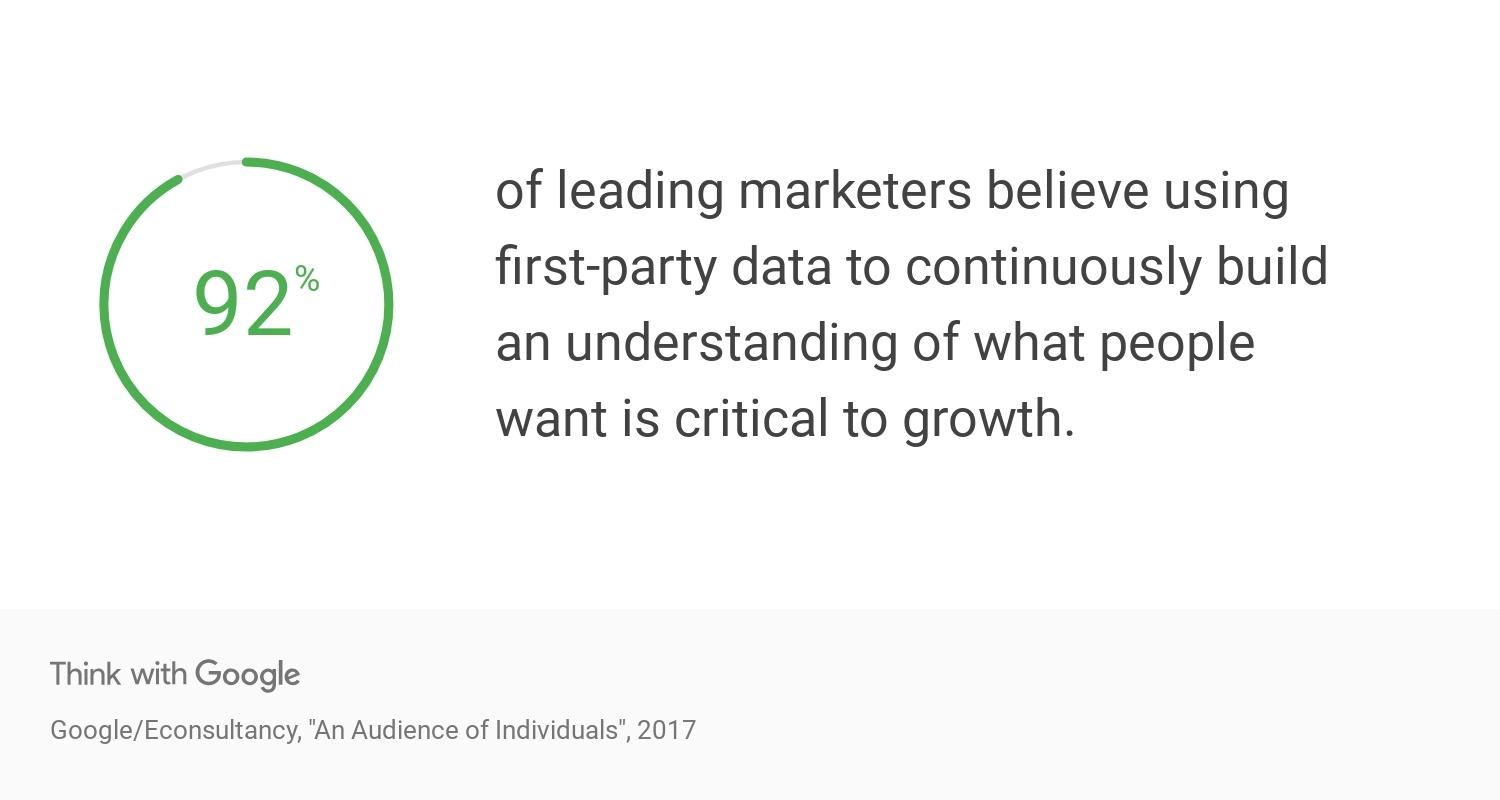
Many B2B companies are obsessed with using first-party data for measurement and ROI.
It’s easy to overlook the non-measurement data that companies possess, such as contact logs, personal customer data and user reviews.
By listening to what potential customers want, key improvements can be made to an ad or a website’s messaging to address these points right away.
Analysing customer data can reveal interesting patterns that can lead to viral talking points in PR pieces. Where do the customers live? How often do they use your service? What are their biggest business concerns? Have there been changes in pre-sale behaviour? Get the conversation flowing.
Reading and collating user reviews allows you to address core issues of your business, which can be preempted on the website, and used in the real-world to improve make-or-break review scores in general.
Takeaway: Utilise non-metric-based first-party data towards UX, SEO, PPC, PR and rating improvements.
Avoiding first-party data blockers
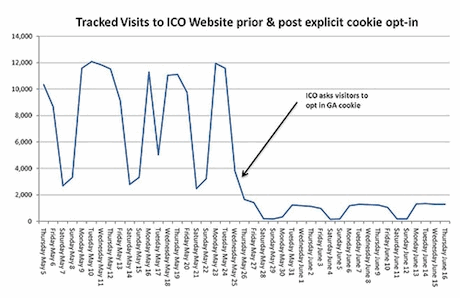
A lot of valuable first-party data is lost due to privacy controls, ad blockers, and users bypassing walled content.
By getting more users to accept tracking, we can gain more insights and utilise more valuable marketing data.
Cookie banners
Often, a website’s cookie banner (CMP) is the first hurdle in tracking users online. By changing the positioning and design of the CMP, you can convince (or trick!) a higher percentage of people to accept tracking cookies.
A simple trick for CMP pop-ups is to have the ‘accept’ button on the right-hand side, in a friendly colour. You can also show the banner in the very middle of the site when it loads, and force users to decide before they can browse the site. Another, more controversial trick is to hide or obfuscate the dreaded “Deny” button, but check the legality of this before doing so in the countries you operate in.
Changing the messaging on CMP pop-ups from saying “can we track you?” to “we want to tailor this experience for you, please accept” is another trick to get a higher acceptance rate. A/B test messages and UX changes to maximise acceptance rate if warranted.
Takeaway: Look into the many ways of improving your cookie banner with small tweaks
Server-side tracking
Server-side tracking is a slick way of avoiding pitfalls from strict browser limitations on first-party cookies and from ad blockers blocking tracking scripts.
Instead of asking the user’s computer to send analytical data to platforms, with server-side tracking, you can send basic tracking information to your own server, where it’s processed by the server itself.
This has the added benefit of speeding up the website considerably by removing well over 1MB of tracking script downloads and unnecessary processing at the user’s end, speeding up the website, which improves UX & conversion rates.
Takeaway: Server-side tracking will unlock more first-party data and speed up your website
Zero-party data
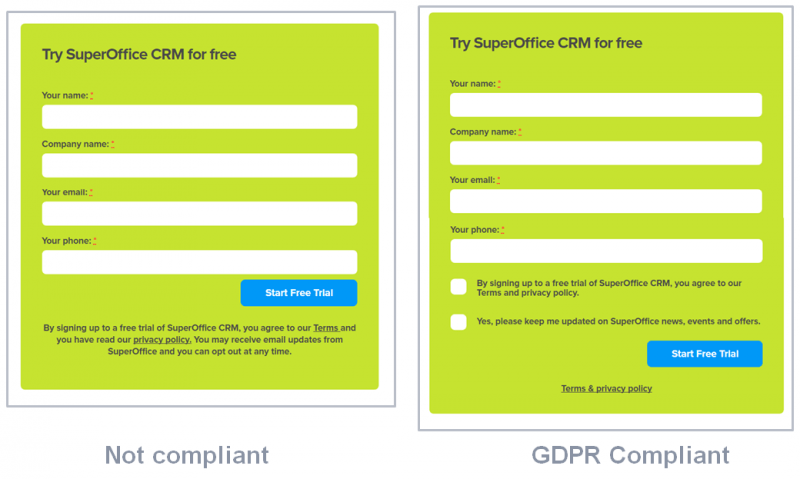
Zero-party data (or cookie-less marketing) is data that users have willingly provided, bypassing all tracking blockers.
Simple forms can be used as a gateway to useful content. If the user provides their personal details, then they can download the video/image/pdf/etc. they wish to have.
To get around spammers, you can email the gateway content to them, so if they don’t provide a valid email, they will get nothing in return.
Quizzes, polls, and competitions can be another zero-party data source for B2B businesses, which ensure that a user enters their details before getting a result or taking part. Ensure that it’s easy for users to share the form and encourage them to do so on social media for a chance to go viral.
Conclusion
There’s often lots of untapped potential from first-party data, and more ways to gather it for online B2B companies.
With a small amount of effort, or a few technical changes, you can make more out of your own personal first-party data and gain traction on bigger competitors focused on quantity over quality.
Are you looking to improve your lead quality? Get in touch with us today.